
Call us now :08045811436
 Send Inquiry
 Send Inquiry
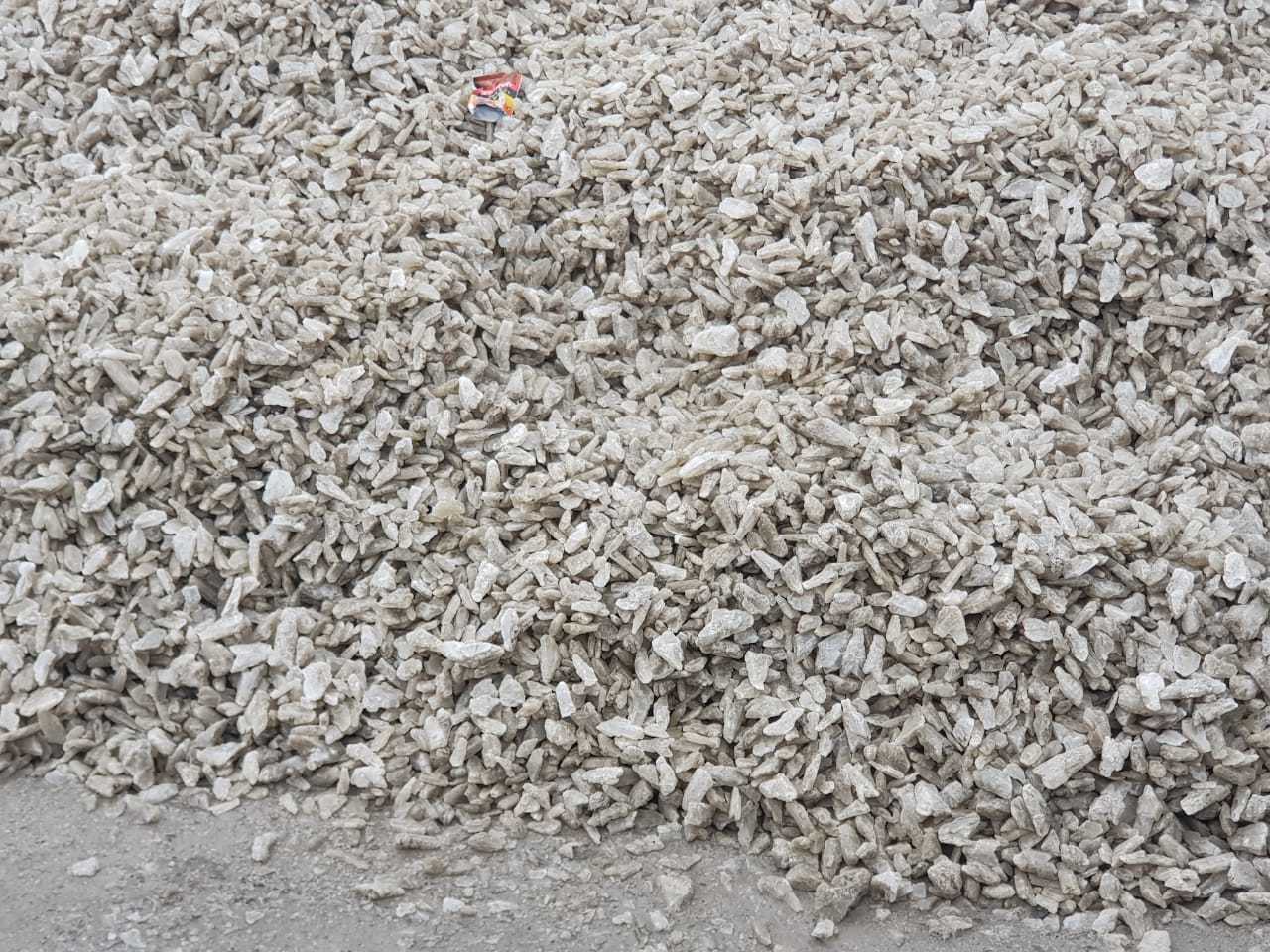
Selenite Lumps
Price 2 INR/ Kilograms
MOQ : 25 Tons, ,
Selenite Lumps Specification
- Density
- 2.3 Gram per cubic centimeter(g/cm3)
- EINECS No
- 231-900-3
- Solubility
- Slightly soluble in water
- Refractive Rate
- 1.521.53
- Appearance
- Opaque white or colorless blocks
- Structural Formula
- CaSO42H2O
- Smell
- Odorless
- Properties
- Soft, fibrous, crystalline; can be easily split into plates; slightly soluble in water
- Grade
- Industrial Grade
- Application
- Cement, soil conditioner, plaster, sculpture, construction
- Product Type
- Mineral Lumps
- Taste
- Tasteless
- Poisonous
- Non-poisonous
- Melting Point
- 1450C (decomposition)
- Usage
- Raw material for gypsum plaster, cement additive, carving and craft production
- Shape
- Lump
- Molecular Formula
- CaSO42H2O
- Molecular Weight
- 172.17 g/mol
- CAS No
- 7785-06-6
- Ph Level
- Neutral (approx. 7)
- Shelf Life
- Stable under proper conditions
- Physical Form
- Solid Lump
- Ingredients
- Calcium Sulfate Dihydrate (CaSO42H2O)
- HS Code
- 25201090
- Storage
- Store in a dry, well-ventilated place
- Purity
- 95% Min
- Color
- White, colorless or light shades
- Common Trade Names
- Gypsum, Satin Spar, Desert Rose, Maria Glass
- Transparency
- Translucent to transparent
- Radioactivity
- Non-radioactive
- Environmental Impact
- Non-toxic, environmentally safe
- Thermal Stability
- Stable up to 120°C, then loses water
- Mohs Hardness
- 2
- Compressive Strength
- Low (not suitable for structural load)
- Cleavage
- Perfect
- Crystal System
- Monoclinic
Selenite Lumps Trade Information
- Minimum Order Quantity
- 25 Tons, ,
- Supply Ability
- 500 Tons, , Per Day
- Delivery Time
- 1 Week
About Selenite Lumps
Customers can buy selenite both in lump and powder form from Neelkanth Sodaclays Pvt. Ltd. The selenite is crushed into lumps and milled into powder. This mineral with pearly lustre and clay like texture is soluble in hot dilute hydrochloric acid. The lumps find use in construction, manufacturing and agriculture industries. In Feng Shui, this mineral is believed to have healing properties. Keeping and using this mineral brings mental peace, clarity and calmness.
Monoclinic Crystal Structure & Physical Qualities
Selenite lumps naturally form through a monoclinic crystal system, giving them a fibrous, crystalline appearance. They have a very soft Mohs hardness of 2, making them easily split into plates, yet they remain stable under normal conditions. Their slightly soluble nature and non-toxic makeup ensure safety in storage and handling.
Multiple Industrial Applications
Industrial-grade selenite lumps are used extensively in construction, soil conditioning, and plaster production. Their purity (minimum 95%) makes them a reliable additive in cement manufacturing and an excellent choice for carving, sculpture, and craft production, owing to their softness and ease of shaping without toxic risks.
FAQs of Selenite Lumps:
Q: How are selenite lumps typically used in industry?
A: Selenite lumps are primarily used as raw materials for manufacturing gypsum plaster, as additives in cement, and for making soil conditioners. Their softness also makes them suitable for detailed carving and sculpture.Q: What are the main benefits of using selenite (gypsum) lumps in construction?
A: Selenite lumps improve plaster and cement workability, provide a smooth finish for surfaces, and act as a reliable soil conditioner. Their non-toxic and environmentally safe properties make them appropriate for use in different building environments.Q: When is it necessary to store selenite lumps in special conditions?
A: Selenite lumps should be stored in dry, well-ventilated places to maintain their structural integrity, as they can absorb moisture due to their slight solubility in water. Proper storage ensures a long shelf life and preserves their quality.Q: Where are selenite lumps sourced and supplied from?
A: Selenite lumps are mined, processed, and distributed globally, with India standing as a significant dealer, exporter, and manufacturer. They are available from numerous suppliers, wholesalers, and producers within the region.Q: What is the process of preparing selenite lumps for industrial use?
A: The lumps are extracted, sorted, and graded for purity, then broken down or shaped as per industrial requirements. They may undergo minimal processing before being supplied to various sectors such as cement, plaster, and sculpture industries.Q: How does selenites softness affect its usage?
A: With a Mohs hardness of 2, selenite is easy to carve and mold, making it ideal for decorative and sculptural purposes. However, its low compressive strength means its not suitable for structural load-bearing applications.Q: What makes selenite lumps environmentally beneficial?
A: Selenite is non-toxic, non-radioactive, and does not release harmful substances, ensuring it is environmentally safe. It poses no risk during handling or use, contributing to sustainable materials management in industry.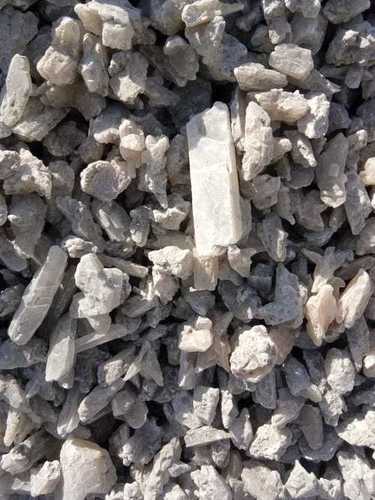
Tell us about your requirement

Price:
Quantity
Select Unit
- 50
- 100
- 200
- 250
- 500
- 1000+
Additional detail
Mobile number
Email


 Send Inquiry


Our Products


G-29, 2nd Phase, RIICO Industrial Area, Boranada, Jodhpur - 342012, Rajasthan, India

Mr Anil Salecha
(Director)
Mobile :08045811436
Mr. Anil Salecha
(Director)
Mr. Sunil Salecha
(Director )
Mobile :08045811436
 Send Inquiry
 Send SMS
 Call Me Free
Developed and Managed by Infocom Network Private Limited.
